Your property speaks to you; we just don't know how to listen. One day, you have a leaky faucet that doesn’t seem like a big deal, and next thing you know, your house is flooded. You’ve been ignoring this strange noise for days, only to realize it was your HVAC system, and now you have a house with no AC in the middle of a Texan summer. If you know how to listen, you’ll be able to catch issues in your home before they get bad.
Your property communicates with you in its own way, almost as if it were a loved one. Author Dr. Gary Chapman identifies 5 love languages through which people show love. Your building, rental property, or home has its own "love language" specific ways it communicates its needs, deterioration, and maintenance requirements.
Understanding the 5 Love Languages of Preventive Property Maintenance
Love Language #1: Physical Touch
When you have a property, you will sometimes feel when something is wrong with it through touch. During routine home maintenance, there are issues you can feel, hear, or physically experience.
Common Physical Touch Signals:
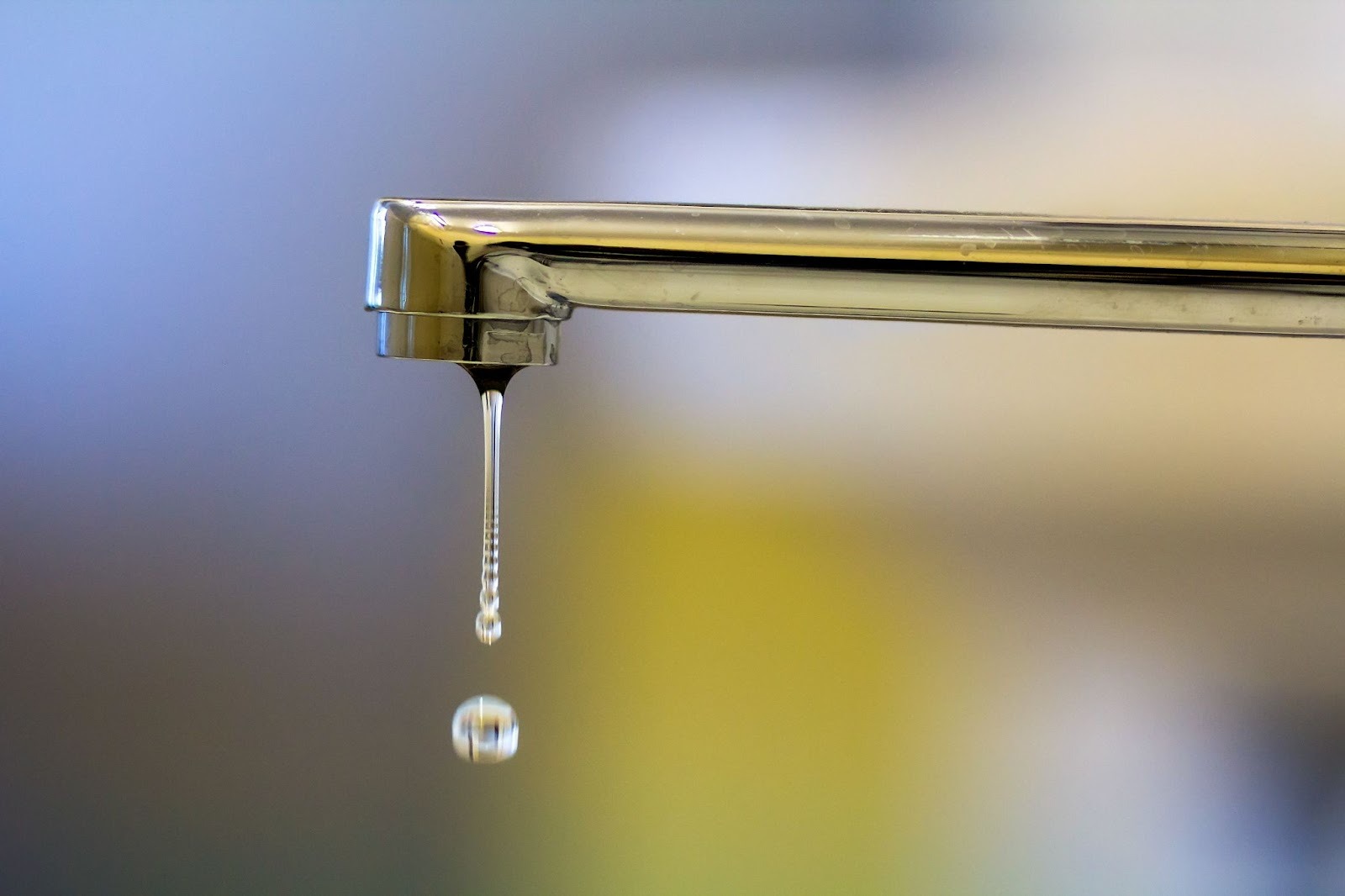
- Dripping faucets or running toilets: These issues are usually caused by worn washers, deteriorating seals, or faulty internal valves. While they may seem minor, they indicate aging components that will only worsen over time. According to the Environmental Protection Agency (EPA), a dripping faucet can waste over 10,000 gallons of water and cause damage over time. The best thing you can do is address it within 1–2 weeks to prevent unnecessary water waste and further wear.
- Sticky or difficult-to-operate doors and windows: Resistance when opening or closing can signal moisture intrusion, wood swelling, hardware failure, or even foundation settlement. Seasonal changes can cause minor sticking, but if it keeps happening, don’t ignore it. What starts as a minor adjustment can escalate into structural movement. Potentially requiring foundation repairs averaging $2,250 to $8,600, according to Forbes.
- Creaking or squeaking floors: Floor noises are sometimes caused by loose subflooring, shifting joists, fastener movement, or natural settling of the structure. While some noise is normal, excessive noise may indicate a deeper issue.
- Soft or spongy spots in flooring: This is a red flag for water damage, rot, or termite activity beneath the surface. Flooring should always feel solid; any give or softness may be due to compromised materials below.
Schedule “touch tours” of your property. Walk through each space and physically test doors, windows, floors, and fixtures. Take note of resistance, softness, or changes in operation. These simple check-ins help you maintain your property efficiently over time.
Love Language #2: Words of Affirmation (Or Warning)
Your property doesn’t just communicate through cracks and creaks; it also speaks through numbers. Utility bills are one of the clearest indicators of a property’s health. When tracked consistently, operational costs and efficiency metrics can confirm that everything is running smoothly or warn you early when something is off. Think of these numbers like words in a relationship: small changes matter, and ignoring them can lead to bigger problems later.
But numbers aren’t the only way your home tries to communicate. Unusual smells, lingering odors, and unexpected temperature fluctuations are all part of the conversation signals your property uses to let you know when something isn’t quite right. Here’s what they can mean:
- Unexplained spikes in water bills: Sudden increases often indicate hidden leaks behind walls, continuously running toilets, malfunctioning appliances, or irrigation system failures. These issues can remain invisible while quietly driving up costs. According to the EPA, nearly 10% of homes have leaks that waste more than 90 gallons of water per day.
- Rising energy costs (adjusted for rates): After factoring out energy prices and inflation, rising costs typically signal HVAC inefficiency, poor insulation, aging equipment, or air leaks around doors, windows, and ductwork. In the US, inflation causes energy costs to rise around 3-5% percent a year. If you’ve noticed that it's more than what you expected, schedule a professional energy audit to pinpoint inefficiencies before they worsen.
- Unusual temperature fluctuations between rooms: Hot and cold spots throughout the property can indicate damaged ductwork, insulation gaps, blocked vents, or HVAC zoning problems. These imbalances force systems to work harder to compensate.
- Musty or unusual odors: Persistent smells often point to hidden moisture, mold growth, poor ventilation, or water intrusion behind walls or under flooring. Odors are often among the earliest signs of these problems.
Love Language #3: Quality Time
Properties, like relationships, thrive on consistent quality time. Think of it as the “date night” of property ownership. When it comes to home maintenance tips, you’ll often hear that, depending on the season, there are different things to worry about, and that is true. Here’s how you can stay on top of it.
Here we provide a printable PDF checklist you can keep handy to ensure you complete the recommended inspections for quality time in your home.
Love Language #4: Acts of Service
Those things we do for those we love that we know will make them happy. In the world of home maintenance, acts of service mean catching issues that need your attention and acting on them. While some things can wait, unfortunately, some things are emergencies that require calling for help right away. Some include:
- Active water leaks: Water damage compounds fast. Even a slow, steady leak can weaken your home’s structure within hours or days. Left unchecked, water can spread behind walls and under flooring, turning what could have been a simple repair into a huge remediation. Acting quickly minimizes damage and prevents secondary issues like rot and mold.
- No heat in winter / No AC in extreme heat: Yeah, we’re back to talking about those Texas summers. You don’t want to be caught in a situation where extreme temperature is affecting you inside your home. In winter, frozen pipes can burst, causing catastrophic water damage. In extreme heat, indoor temperatures can quickly become unsafe, especially for children, older adults, and pets.
- Electrical failures: Frequent breaker trips, flickering lights, burning smells, or dead outlets can mean overloaded circuits, faulty wiring, or failing components. These problems increase the risk of electrical fires and equipment damage. If you experience unexplained electrical failures, the best thing you can do is to get professional help.

Love Language #5: Gifts (Give Your Home the Tools it Needs)
As a homeowner, extending your home's life and enhancing its value are important. You may live there forever, or you might sell it later, but it is important to keep upgrading it and equipping it to the best of your ability.
Smart home technology: We have seen so many upgrades in the last few years that it's now part of most people’s homes, and for good reason. Smart technology can help you take care of your home; we are only humans after all and a little tech help never hurt nobody. Things like leak detectors that catch water issues before they spread, smart thermostats that optimize energy use, and modern security systems that reduce risk can all help you keep your house in top-notch shape.
Energy efficiency upgrades: Energy-efficient improvements are gifts that keep on giving month after month. Things like changing to LED lighting and upgrading to high-efficiency HVAC systems can increase your property’s value and, what’s even better, help you cut utility costs. Upgrading your home to energy-efficient appliances can even make you qualify for tax credits and help you save a significant amount of money.
Structural reinforcement: Structural upgrades are something most people don't think about when caring for their home, but they’re the ultimate preventive measure that truly stands out. These measures help your home stay strong when weather, time, or unexpected events put it to the test. Reinforcing your home’s structure can prevent worst-case scenarios, support insurance eligibility or lower premiums, and protect your home’s long-term value.
Examples of structural reinforcement include:
- Sealing and stabilizing the foundation to prevent moisture intrusion
- Reinforcing the roof to better withstand heavy rain or high winds
- Upgrading framing in older homes or adding seismic retrofitting in areas prone to earthquakes.
These upgrades work behind the scenes, but when it matters most, they’re doing the heavy lifting to keep your home safe and secure.

Let Professionals Help You Give Your Property Some Love
There you have it, the 5 love languages applied to the art of preventive property maintenance. These home maintenance tips remind you to listen to your home and invest intentionally to keep the place you love most safe.
Taking care of a property can feel overwhelming, but you don’t have to do it alone. At uSource , we believe peace of mind comes from knowing your home is in good hands. That’s why we connect you with trusted, verified local professionals who care for your property the way you would. Download uSource and connect with experienced professionals who can help you give your property the love it deserves.