
There's something deeply satisfying about tackling a home repair yourself. And often we find ourselves looking for a quick fix, thinking we’ll save money, only to end up spending more. As nice as it is to successfully DIY (Do it yourself) something in your home, you should know when it's a good idea and when you’re better off calling a professional asap. Let’s sort it out.
What’s The Real Cost of "I Can Figure This Out"?
Trying to decide whether to DIY or call a pro? Most of us think, “I’ll save some cash and time if I just do it myself.” Or maybe it looks so easy that hiring someone feels like a hassle. The truth is that choice can backfire, and here’s why:
- Small mistakes can turn into expensive disasters: What starts as a “quick fix” can spiral out of control. One wrong cut, loose wire, or misdiagnosed issue can cause water damage, electrical fires, or structural problems that cost way more than the original estimate.
- You might fix the symptom, not the real problem: A pro won't just repair what’s visible; they’ll be able to do a proper diagnosis of the root cause of the situation. DIY fixes often cover up the problem temporarily, letting the real issue quietly get worse behind the scenes.
- Safety risks are no joke (and underestimated): Electrical work, gas lines, roofing, and plumbing are complex jobs that require professional certifications. For someone with no experience, one slip or one thing done wrong can lead to serious injury, health risks, or worse. Professionals are trained, insured, and equipped to handle these hazards safely.
DIY can seem like a money-saver, but it doesn’t always work out that way. Between unexpected costs and safety risks, a “quick fix” can turn into a stressful (and expensive) mess. Some jobs just aren’t worth the risk. Next, we’ll break down the home services where DIY tends to go wrong, and when calling a pro makes the most sense.
When To Call A Plumber? Sooner than You Think
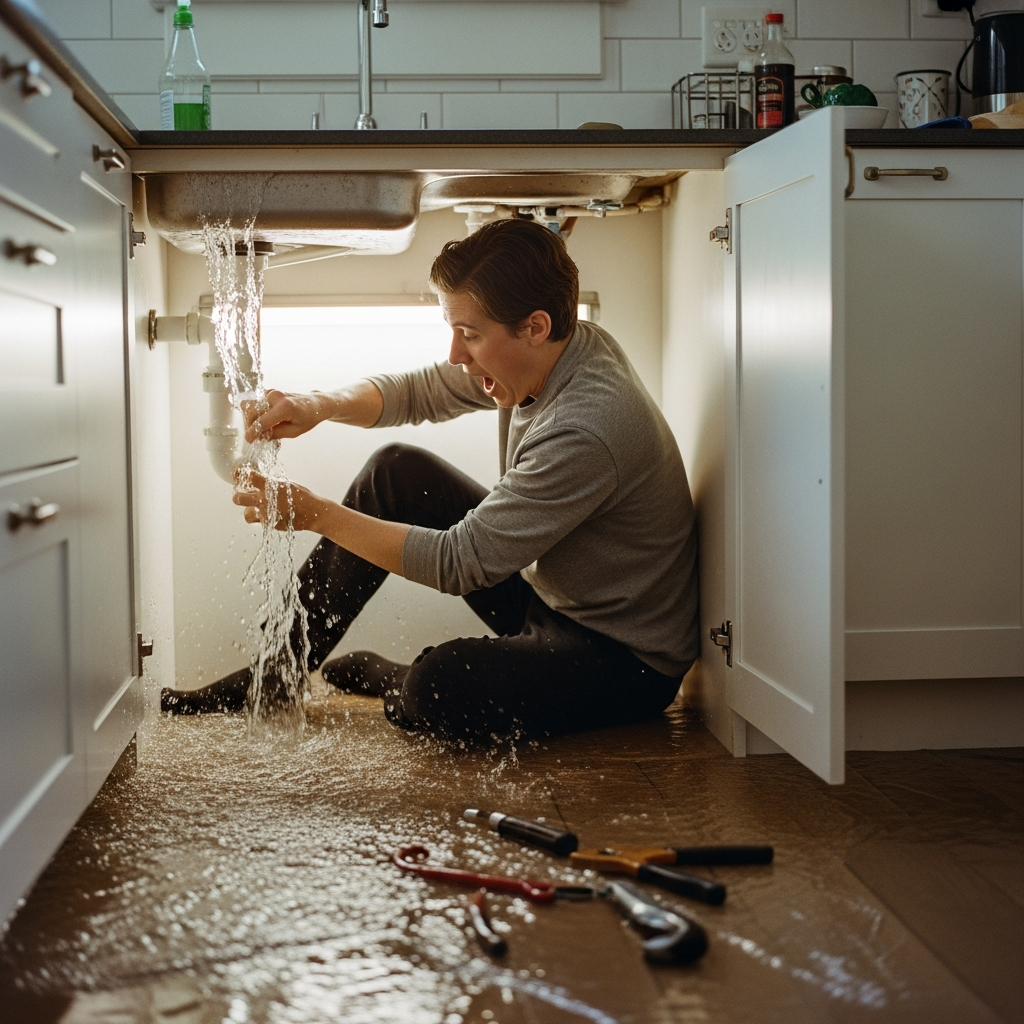
Let's start with everyone's favorite DIY category: plumbing. It's just pipes and water, right? How hard could it be? Take a look at the following “easy” fixes:
- Replacing a Water Heater
This one seems logical. The old one is sitting right there, the new one looks identical, and the installation instructions are right in the box. People do this themselves all the time.
However, heaters involve gas lines or high-voltage electrical connections, pressure relief valves that must be installed correctly to prevent explosions, and strict code requirements that vary by location. Missing a detail can turn into a disaster and ultimately cost you more money when you have to repair or replace it again soon.
- "Just Replacing a Shut-Off Valve"
Sometimes it really is an easy fix: if the valve under your sink is leaking, and it loosens easily, swapping it out for a $12 replacement can work. The problem is when you try, and it’s hard to take off. This most likely means there’s corrosion. Too much pressure can crack the pipe or strip the threads. It can even create damage you won’t see right away. That’s the moment to pause and call a plumber.
- Repiping "Just One Section"
Old galvanized pipes may look easy to replace, but it’s not that simple. Replacing pipes isn’t just about swapping sections. You’re dealing with water pressure, proper drainage slope, material compatibility, and building codes. A small mistake can cause leaks, pressure issues, or corrosion. The safest move? Call a plumber.
Electrical Work: Where DIY House Repairs Get Dangerous
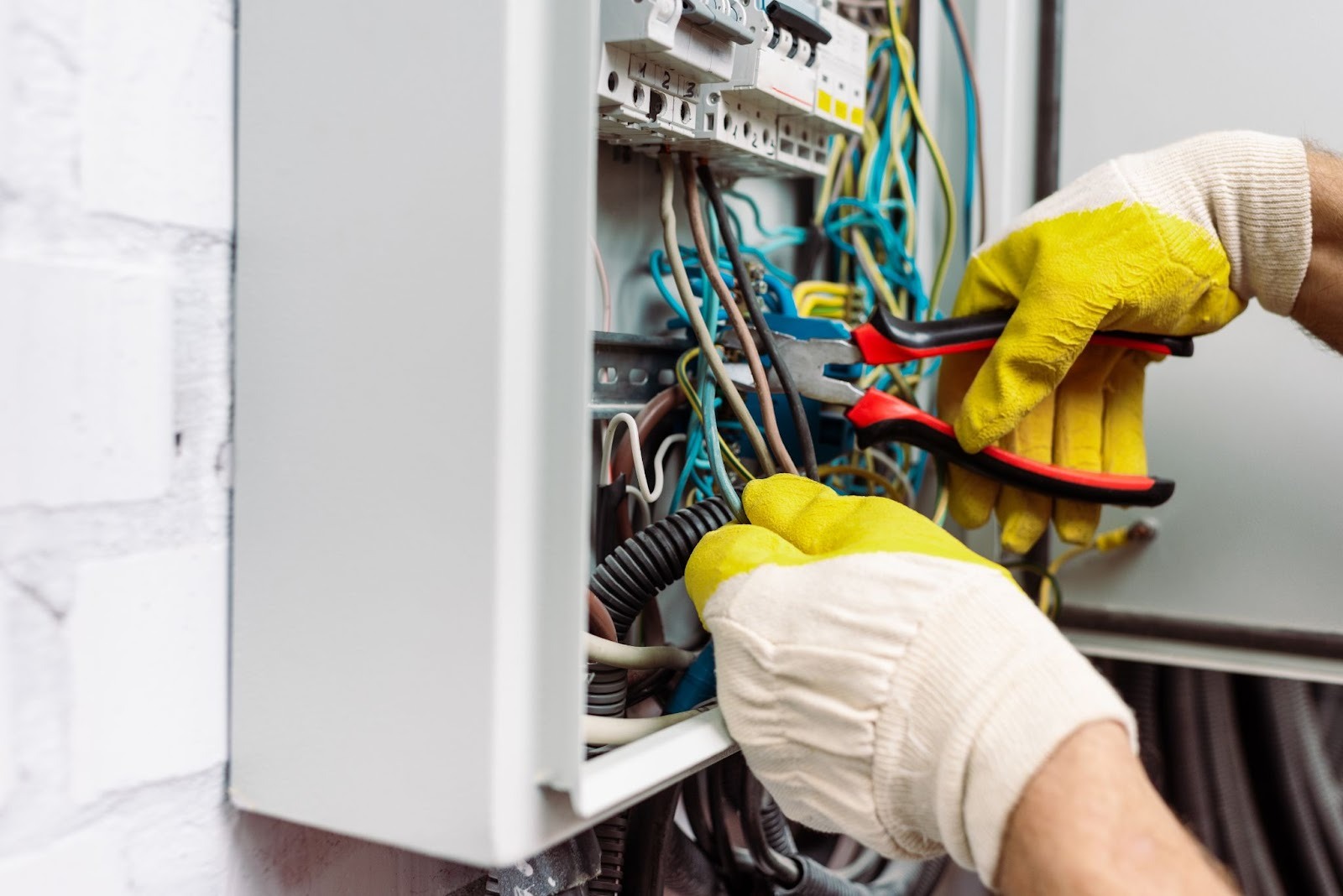
If plumbing mistakes are expensive, electrical mistakes can be deadly. And the worst part? Bad electrical work might seem fine for months or years before it becomes a serious problem. Here’s why you should generally stay away from electrical work:
Adding a New Outlet or Light Fixture
This is probably the most common electrical DIY project. It seems simple enough, but like with all electrical work, there’s a lot going on behind the scenes. Here are just some of the things that a pro will actually be able to look out for:
- Using the right gauge wire for amperage
- Securing wires properly in the junction box
- Checking how much power the circuit is already carrying, so it's not overloaded
- Making sure that the circuit isn’t already maxed out. Especially in older homes or kitchens, bathrooms, and laundry areas.
With electrical work, you have to be extremely careful, especially because some mistakes might not be obvious right away but can create conditions for electrical fires that might start months or even years later.
Upgrading Your Electrical Panel
This is genuinely one of the most dangerous DIY projects you can attempt. Even with the main breaker off, parts of your electrical panel remain energized and can kill you instantly. Professional electricians treat this work with extreme caution, using specialized equipment and following specific safety protocols. The money you'd save doing this yourself isn't worth the risk at all.
When Repairs Snowball: Why You Need an HVAC Professional
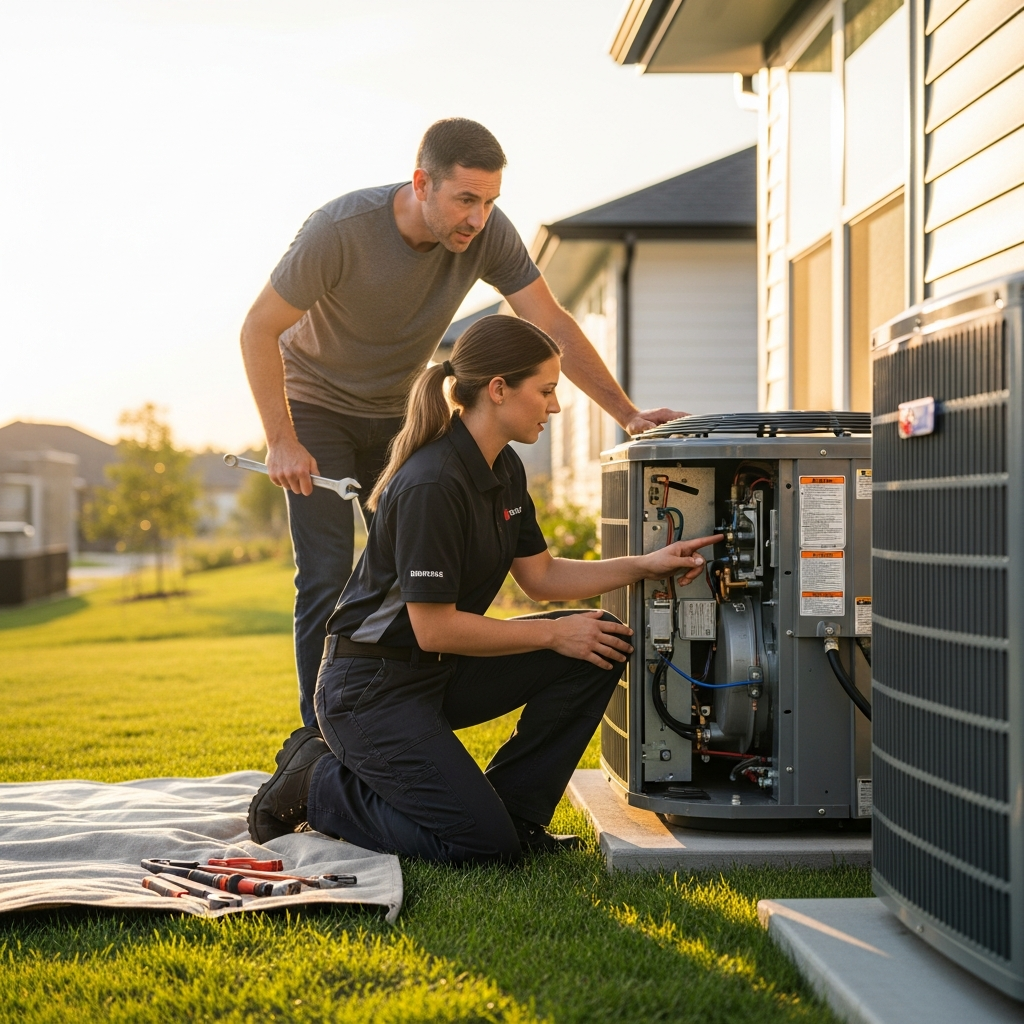
Your heating and cooling system is expensive to run and costly to replace, which makes DIY tempting. But HVAC systems are more complex than they appear.
Recharging Your AC Refrigerant
When an AC system isn’t cooling properly, adding refrigerant can seem like a logical solution. Refrigerant cans are easy to find, and online tutorials make the process look straightforward. What those tutorials often leave out is that refrigerant doesn’t get “used up.” A low system indicates a leak that needs to be addressed. Adding refrigerant without fixing the source of the leak does not solve the problem and can introduce new risks.
Potential issues include:
- Overcharging the system can damage the compressor, the most expensive component to replace.
- Undetected refrigerant leaks, which often point to larger system issues that can lead to failure.
- Environmental and legal concerns handling refrigerant without proper certification is heavily restricted in the U.S. According to the EPA (Environmental Protection Agency), you can buy small cans of non‑exempt Motor Vehicle Air Conditioner (MVAC) refrigerant, but only certified technicians may purchase refrigerants for stationary refrigeration or AC systems.
Furthermore, a professional approach involves more than adding refrigerant. A licensed technician will:
- Identify and repair the source of the leak
- Charge the system according to the manufacturer’s exact specifications
- Test performance to ensure the system is operating safely and efficiently
Addressing the root cause protects the system, prevents repeat failures, and avoids costly repairs down the line.
Cleaning or Replacing Evaporator Coils
Evaporator coils are located inside the air handler, and when they become dirty, system efficiency drops significantly. It might seem easy enough to clean them yourself using common cleaning products and basic tools. However, evaporator coils are very delicate, and improper cleaning can cause lasting damage.
Common risks include:
- Damaged coil fins from excessive pressure or incorrect cleaning methods, permanently reducing efficiency
- Bent fins that restrict airflow and strain the system
- Damage to refrigerant lines, which can lead to leaks and costly repairs
HVAC professionals use specialized tools and coil-safe cleaning solutions to thoroughly clean components without harming them. During the process, they also inspect the system for early signs of wear or failure. Proper coil cleaning improves performance, protects critical components, and helps extend the system's life.
How to Know When It's Time to Call Someone
So where's the actual line between DIY and calling a pro? Here's a practical framework:
Call a professional if the project involves:
- Gas lines of any kind
- Main electrical panels or circuits above 120 volts
- Anything structural or foundation-related
- Roofing beyond replacing a few shingles
- Major plumbing beyond simple fixture swaps
- HVAC refrigerant or internal components
- Anything that requires a permit in your area
- Work you'd need to disclose when selling your home
You can probably DIY if:
- You've successfully done similar projects before
- The project is reversible without major cost or effort
- The worst-case scenario is annoying, not dangerous or expensive
- You have the right tools and genuinely understand the process
- You're willing to stop and call someone if you get in over your head
Hire Smarter. Skip the Stress. Hire the Right Pro Every Time.
The good news is that we can make it very easy to find a service pro to help you. uSource is a home services marketplace where you can connect with pros ready to help with plumbing, HVAC repairs, and so much more. You can leave your DIY struggles behind by downloading our app today and discovering how easy it is to use! For more information, you can also give us a call, and we’ll be happy to guide you through our services.