Texas is one of the most beautiful states, rich in landscapes and historic places; it’s a great place to live. However, it does have pretty extreme weather conditions, and with these weather conditions come what we all worry about: house pests. Weather conditions make it the ideal home for them as much as they do for you. Don’t worry, there are plenty of ways to keep them outside, where they can enjoy the fresh air instead of causing trouble in your home. Learn how to get rid of household pests, identify them, and take steps to keep them away.
Common House Pests in Texas and How to Get Rid of Each
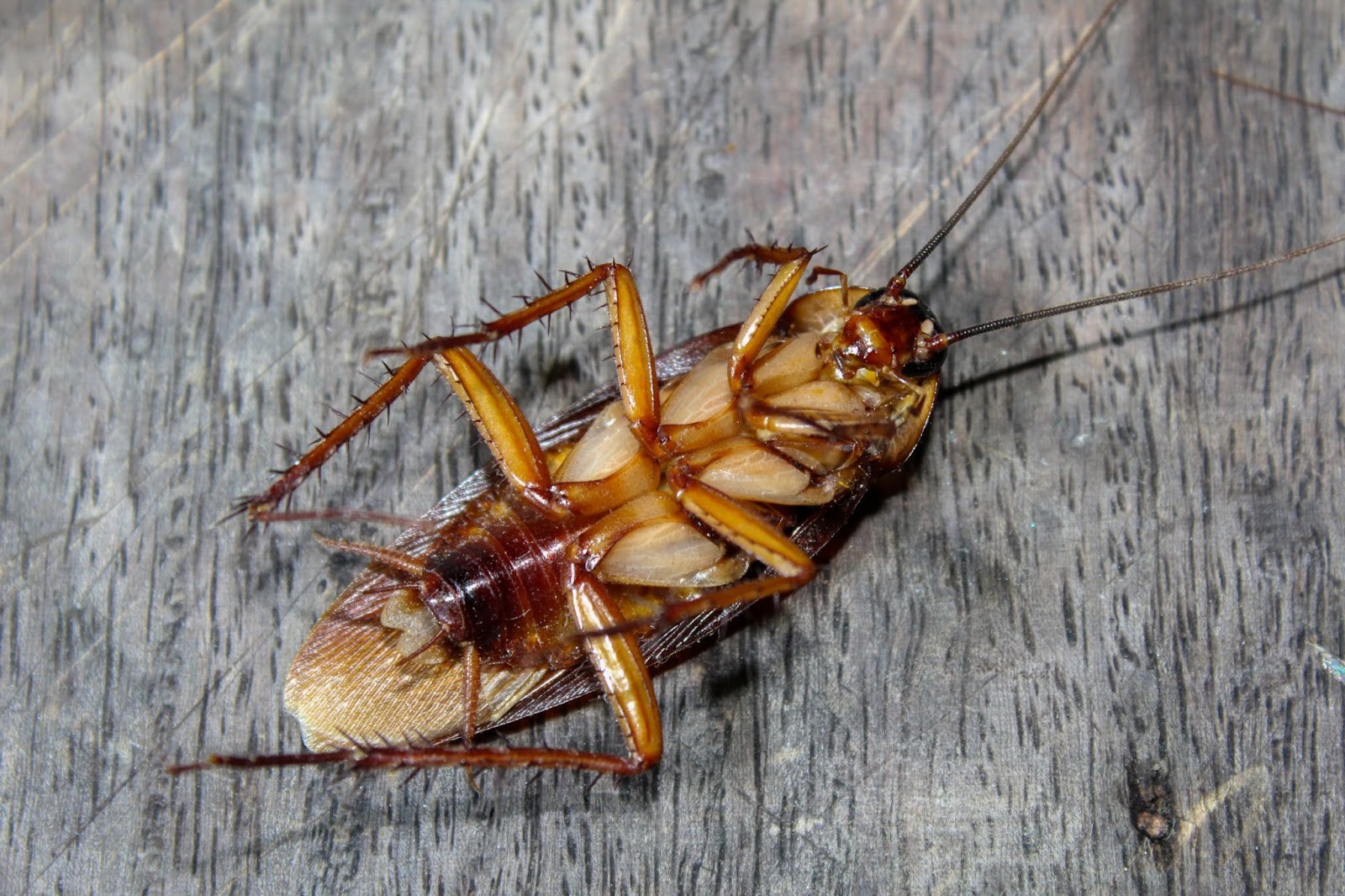
Cockroaches:
An enemy of many. Roaches are among the most common Texas pests. We’ve all had to deal with them, and they aren't necessarily showing up in your home because it’s dirty. They thrive in warm weather and sometimes randomly emerge from drains. They can pose health risks due to the bacteria they spread, so it's best to keep them away as much as possible. You can do this by:
- Keeping your home as clean as possible. While cleanliness doesn’t always prevent them from appearing, they thrive in dirty environments. They also love food scraps, so make sure you keep all areas of your home clean and free from leftover food. Don’t leave dirty dishes in the sink overnight!
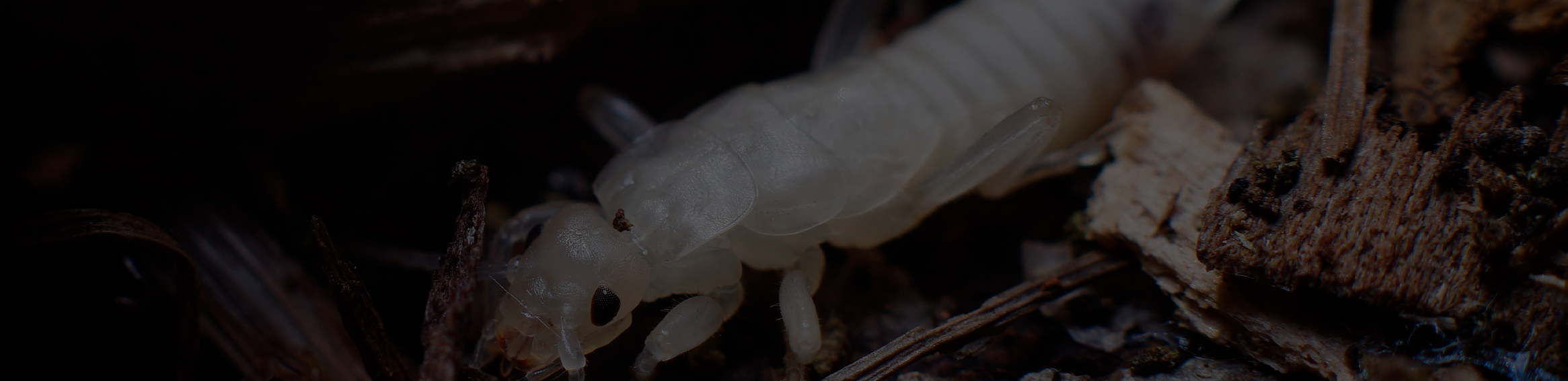
Termites:
They’re tiny, but they can cause significant damage. Did you know that they are widely recognized as the most destructive wood-destroying insects in the United States? According to the Texas Department of Agriculture, they cause over a billion dollars in damage annually, more than tornadoes, hurricanes, and windstorms combined. So here’s how you can keep them away from your home:
- Don't pile mulch right up against your house, because it holds moisture and can create entry points for pests as well as hide cracks in the foundation. It can also cause rot or mold. Which also means you need to keep moisture in your home at bay and fix any leaky faucets, clogged gutters, or drainage problems.
- Schedule yearly inspections with a service professional, and get any entry points like caulk cracks sealed as often as possible. Get a professional to install a termite barrier or bait system to help prevent infestations. These provide long-term protection against subterranean termites.
Ants:
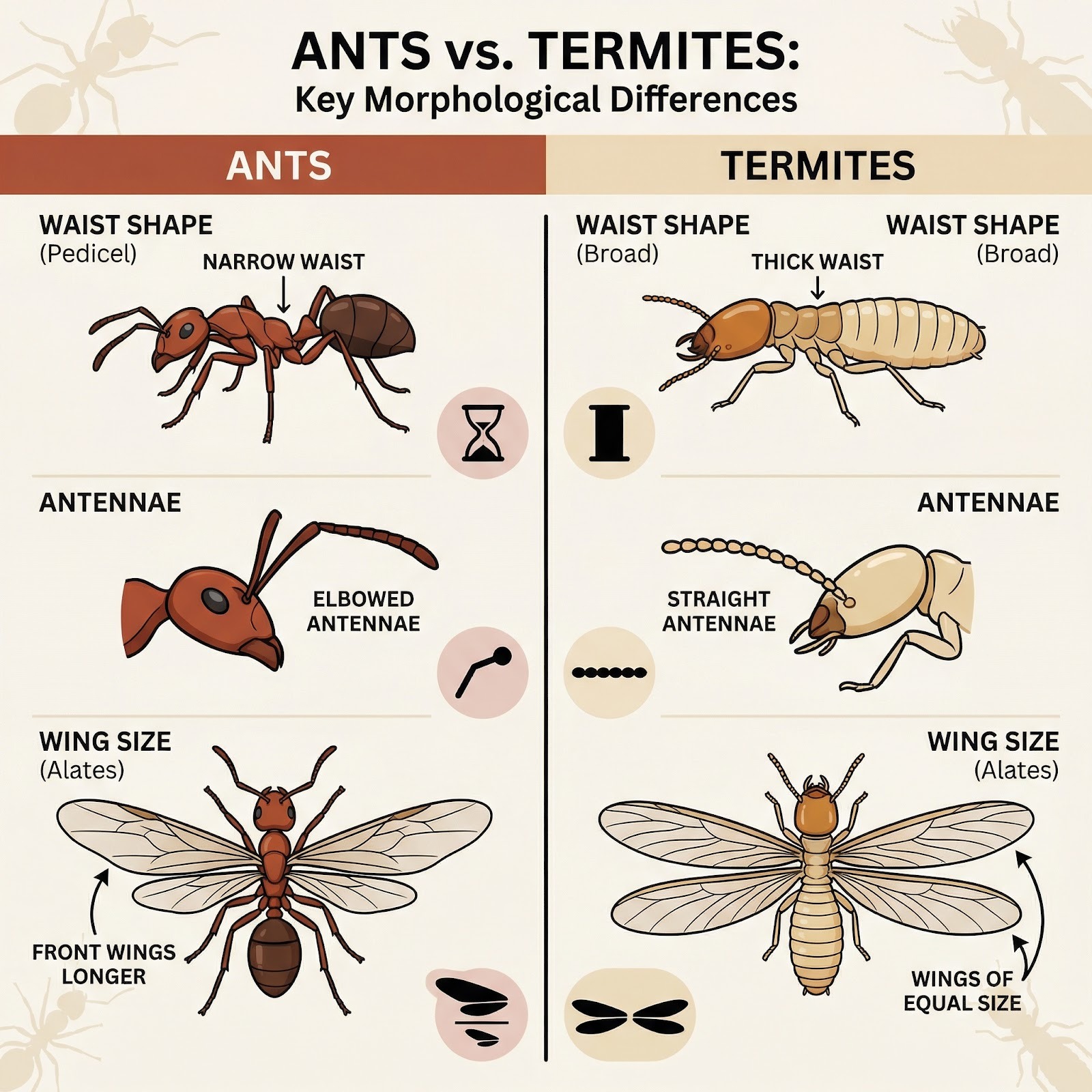
Also extremely common in Texas; some here and there are harmless, but an ant infestation can cause major problems. Some species can cause wood damage, and others can cause very painful stings. Depending on the ant species, they can cause structural damage, form massive colonies that are hard to control, infest electronics, and even disrupt ecosystems. Most varieties are very invasive.
Here’s how to keep them at bay:
- Prevent them from being attracted to your home in the first place by cleaning any spillage, leftover food, crumbs, and especially sugary things; they have a sweet tooth!
- Make sure you seal any cracks and gaps because ants use them to enter your home.
- When they come into your home, they are also looking for water; eliminate any standing water and damp areas. Also, be careful with any pet bowls on the floor; leftover pet kibble and water bowls can also attract them.
If ants are a problem, get professional help! Find experts that can help with home pest prevention inspections and treatments.
Rodents:
Definitely more noticeable than a few ants. They can bring major health risks and fire hazards. The diseases that rodents carry can be serious. For example, Hantavirus, Salmonella, and Leptospirosis are among the diseases they can transmit through waste. They can also carry fleas and ticks, making them harmful to your own furry friends.
On the other hand, they are known to gnaw on cables, which can ultimately pose a significant fire risk, and they do this with walls, pipes, and even insulation. They’re looking to keep their teeth sharp! Overall, their nesting can also cause damage to your home’s insulation, ultimately making it easier for other pests to come in.
Here’s how to keep them out of your home:
- As mentioned with the last few, you can start by keeping your house clean and free of anything that will attract them. Pests are often looking for food, water, and conditions that allow them to survive. You sure don’t want your home to become their happy place. Keep food stored in sealed containers and clean up crumbs from the floor or other surfaces regularly.
- Stop them from getting in by covering any cracks, holes, or gaps around doors, windows, and pipes.
- Minimize accumulation or avoid clutter and keep outdoor areas tidy. Make sure trash bins are tightly closed and avoid leaving pet food out overnight.
Get in contact with a pest control expert to schedule inspections, fumigations, and, if you are already dealing with an infestation, help getting rid of it.
Bed Bugs:
Due to hot weather and frequent travel in and out of the state, bed bugs are a common pest in Texas. They are very invasive, hard to get rid of, and have made a huge comeback in the last few years. It can be hard to identify bed bugs, since they are very sneaky pests, but the sooner you do, the easier it will be to eradicate them.
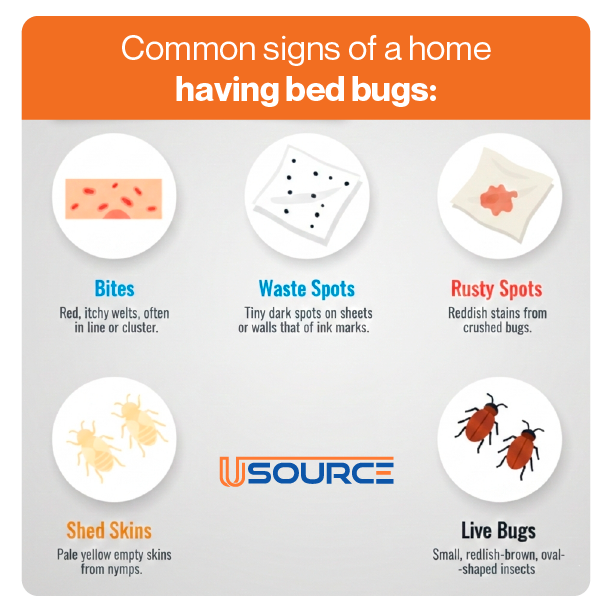
Here are some signs that bed bugs are rooming with you:
- Bites: Red, itchy welts, often in a line or cluster.
- Waste Spots: Tiny dark spots on sheets, mattresses, or walls that look like ink marks.
- Rusty Spots: Reddish stains from crushed bugs.
- Shed Skins: Pale yellow, empty skins from nymphs.
- Live Bugs: Small, reddish-brown, oval-shaped insects.
And now, how to avoid them and get rid of them. Bed bugs love to travel with you; they can hide on furniture, bedding, luggage, boxes, and clothing. Follow these steps to keep them out of your home:
- Carefully check any second-hand items that you are bringing home, and carefully check your suitcases when you come back from vacation.
- Try to inspect hotel rooms or beds in accommodations to make sure you don't bring them back home with you in the first place.
- Once they’ve invaded your home, you can try to get rid of them. Start by washing all bedding, clothes, and curtains in hot water and drying them on high heat for at least 30 minutes.
- Vacuum really well, especially floors, carpets, mattress seams, and furniture, and seal and throw away the vacuum bag right after. Using a steamer on mattresses, upholstery, and cracks can also help.
- Protect mattresses and box springs with encasements, and if the issue is widespread, it’s time to call a licensed pest control professional, since DIY methods can keep making it worse.
So, yes, Texas is a great place to live, but that warm, inviting climate is also a
welcoming space to all sorts of common house pests. Each one is a pain, whether they're messing with your health (like roaches and rodents) or trying to tear down your house (like termites).
The good news is that keeping them away mostly comes down to a few basic habits: keep things clean, seal up those little entry points, manage any moisture issues, and don't leave food out like an open buffet. However, some of these pests are so sneaky and destructive that the best move is to call in the pros for regular check-ups or to help you get rid of them if it's too late.
Also read: The Love Language of Preventive Property Maintenance: What Your Home is Trying to Tell You
There’s No One Who Can Get Rid of Pests Like a Professional
You now know what you can face when living in Texas, or if you’ve experienced these pests before, you now know you are not alone. As informed as you are now, know that the best help you can get will always be that from a professional.
To find a service Pro that can help you get rid of any of these pests, or all of them, download uSource. The app that helps you access thousands of qualified and background-verified service pros, like pest control experts, to come to your rescue!
Visit our page or contact us so we can guide you through signing you up and getting you the help you need today!